 Happy New Year from 511CC!
The California legislature has released a new set of traffic laws in effect for 2014, to be enforced by the CHP and other agencies.
Here are some of the new laws effective January 1, 2014.
Take a minute to familiarize yourself with the changes:
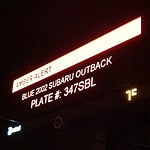 AMBER Alert: Expansion (AB 535): This law requires law enforcement to request activation of the AMBER Alerts after receiving a report that a child has been taken abducted by anyone, including a custodial parent or guardian, who may cause serious bodily injury or death to the child.
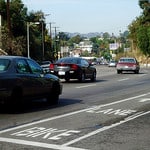
Bicycles: Passing Distance (AB 1371): (This law will go into effect September 16, 2014.)This law prohibits motorists from passing a bicycle with less than three feet between any part of the vehicle and any part of the bicycle ordriver. When three feet is not possible, the motor vehicle must slow to a reasonable and prudent speed and only pass when no danger is present tothe bicyclist. Failing to do so can incur a fine, regardless of a collision or not.
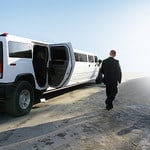
Charter Bus Carriers: Limousines: Emergency Exits (SB 109): By January 1st, 2016, every limousine that has been modified or extended toaccommodate additional passengers shall have two rear doors and one or two internally removable rear emergency windows. If such modifications occurred on or after July of 2015, these requirements apply immediately after July 1st, 2015. All new limousines manufactured after January 1st, 2015 must meet these requirements as well.
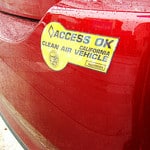
High Occupancy Vehicle Lanes (AB 266 / SB 286, Yee): Together these laws extend sunset dates for low emission, zero emission vehicles tooperate in high occupancy vehicle lanes (HOV) without meeting occupancy requirements to January 1, 2019.

Hit and Run: Statute of Limitations (AB 184): This law extends the statute of limitations for hit-and-run collisions in which death or permanent, serious injury was a result. A criminal complaint may be filed within three years of the offense, or one year after the person was initially identified by law enforcement as a suspect in the commission of the offense, which ever comes later, but in no case more than six years after the offense.
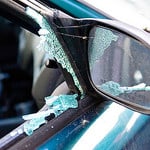
Registration Fees: Vehicle Theft (AB 767): This law authorizes counties to increase registration fees by $1 for passenger vehicles and $2 forcommercial vehicles to fund programs related to vehicle theft crimes in those counties
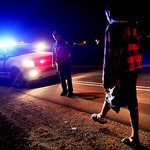
Search Warrants: Chemical Tests (SB 717): (This law has been operative since September 20, 2013.) This amendment to current law authorizes the issuance of a search warrant to draw blood from a person in a reasonable, medically approved manner, to show that the person violated misdemeanor DUI provisions when that person has refused an officer’s request to submit to, or has failed to complete, a blood test.
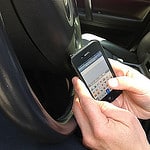
Teen Drivers (SB 194): This law prohibits a person who is under 18 years of age from using an electronic wireless communications device to write,send, or read a text-based communication while driving, even if it is equipped with a hands-free device.
To read the full text of each bill, visit the official California Legislative site, click the Bill Information tab. Enter the bill number listed in parentheses next to each new law above (e.g. 1854) next to “Bill Number:” and select 2013-2014 next to “Session Year:”, then click Search.
Previous Lists Summarizing New California Traffic Laws by Year: